
Healthcare is evolving rapidly, and by 2026, hospital operations are no longer just about managing beds, staff, and supplies. They are about efficiency, technology integration, patient experience, and sustainability. Hospitals that adapt to these changes will lead the future of healthcare, while those that don’t may struggle to keep up.
The Shift Toward Intelligent Operations
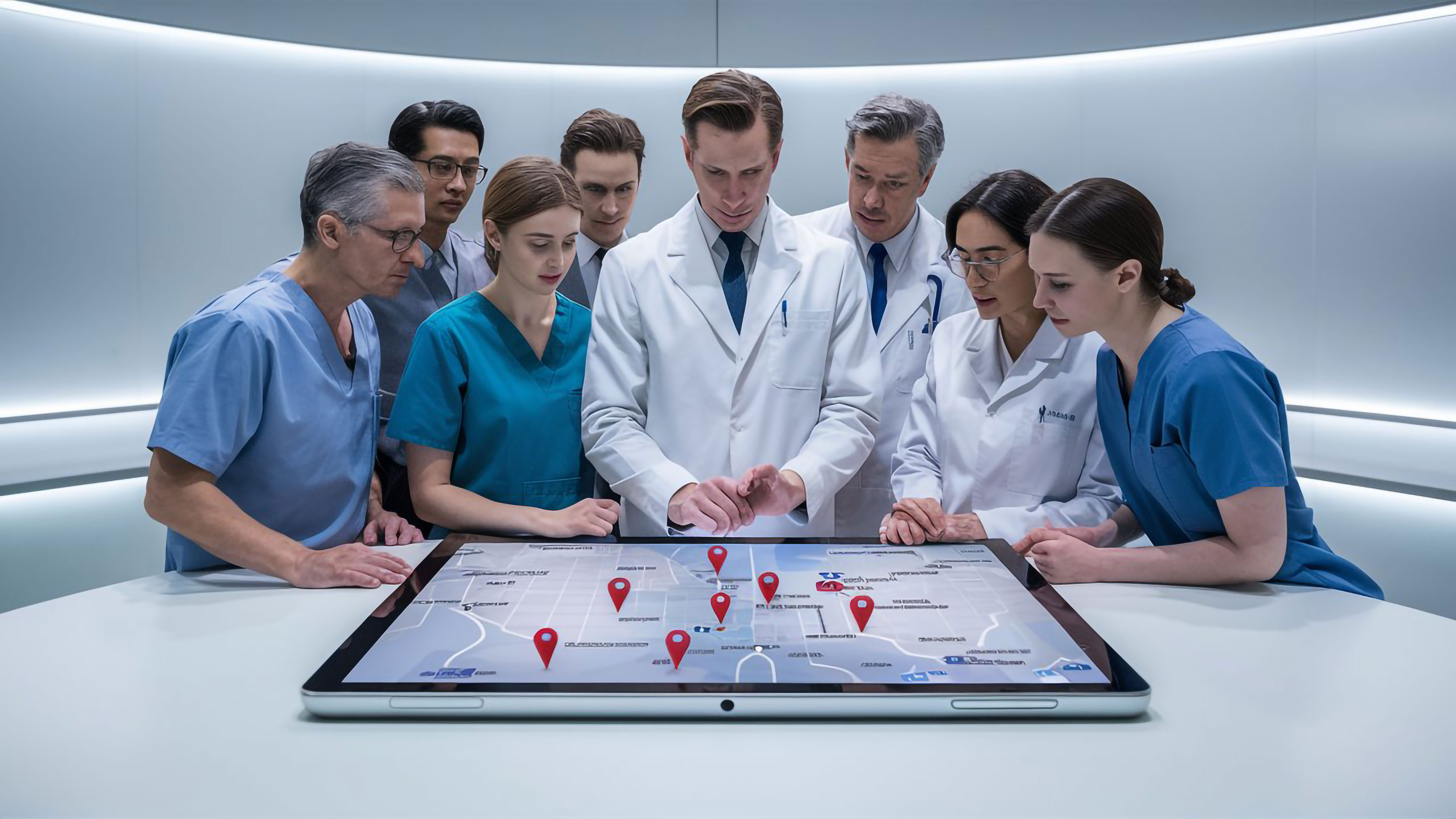
In 2026, hospitals are moving away from manual, fragmented systems to data-driven and automated operations. Real-time dashboards, integrated hospital information systems, and AI-supported decision-making help administrators monitor everything—from patient flow to inventory usage—on a single platform. This shift reduces delays, errors, and operational blind spots.
Patient-Centric Workflows
Modern hospital operations now revolve around the patient journey. From digital registration and shorter waiting times to coordinated discharge planning, every operational step is designed to improve patient comfort and trust. Hospitals are focusing on seamless experiences where clinical care and administrative processes work together smoothly.
Workforce Optimization and Team Efficiency
Staff shortages and burnout remain major challenges. In 2026, hospitals are addressing this through better workforce planning, task automation, and smart scheduling systems. By reducing administrative burdens, doctors and nurses can spend more time on patient care, improving both outcomes and staff satisfaction.
Technology as an Operational Backbone
Technology is no longer a support function—it is the backbone of hospital operations. Automated billing, inventory management, predictive maintenance of equipment, and digital reporting systems ensure smoother daily functioning. Hospitals using technology strategically are able to control costs while maintaining high-quality care.
Focus on Compliance and Safety
With stricter regulations and higher patient expectations, compliance and safety are critical operational priorities. Hospitals are embedding compliance checks, infection control protocols, and quality audits directly into daily operations, ensuring readiness at all times rather than lastminute corrections.
Sustainability and Cost Control
Operational efficiency in 2026 also means being environmentally responsible. Energy-efficient infrastructure, optimized resource utilization, and waste reduction practices are helping hospitals lower operational costs while supporting sustainability goals.
Conclusion
Hospital operations in 2026 are smarter, more connected, and deeply patient-focused. Success depends on how well hospitals integrate technology, streamline workflows, empower staff, and maintain compliance—all while keeping patients at the center. Institutions that invest in modern operational strategies today are building a stronger, more resilient healthcare system for tomorrow.
Recent Posts





Get Free
Consultations
Special Advisors




Green Hospital Design: The Future of Healthcare