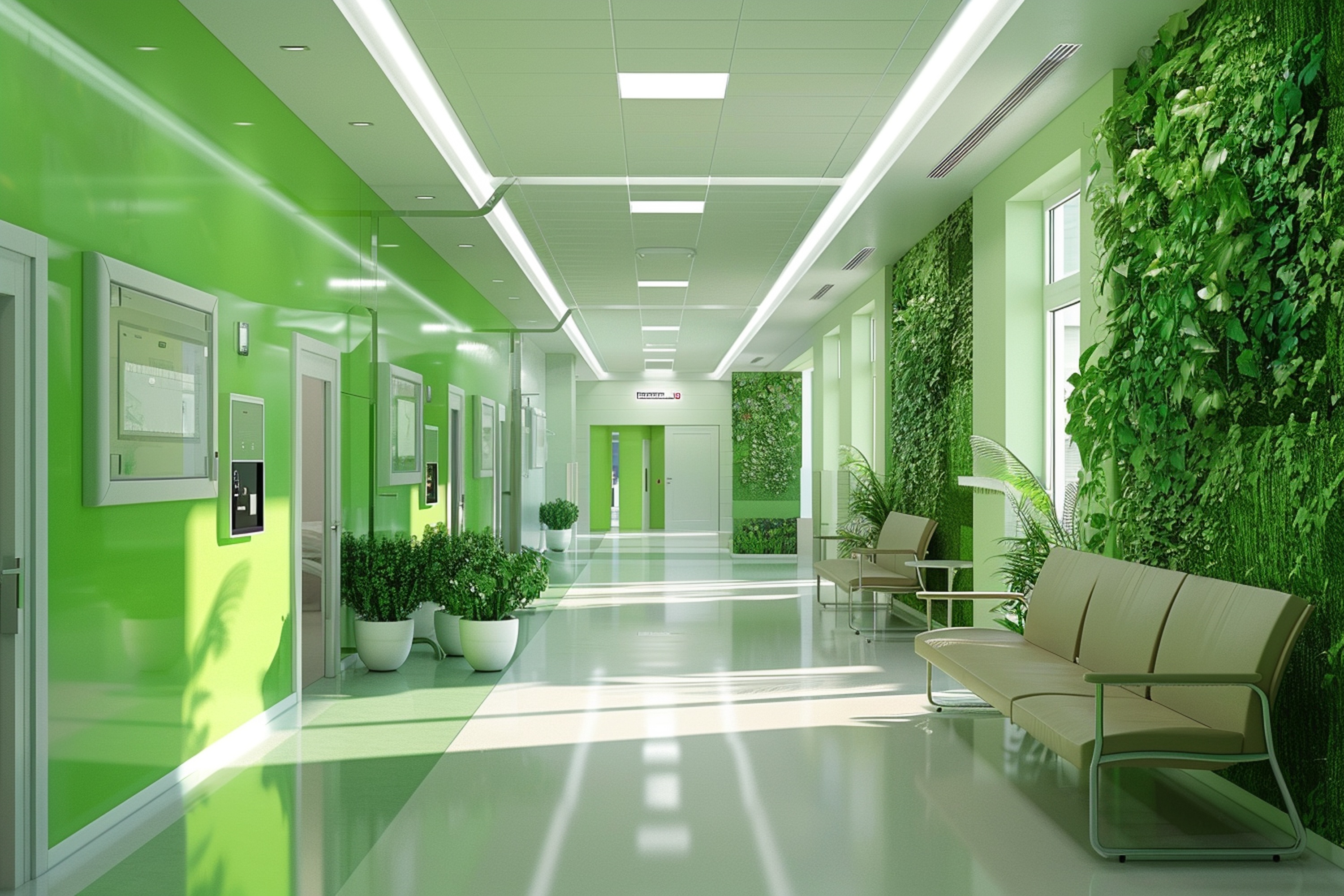
As healthcare continues to evolve, hospitals are no longer judged solely by the quality of medical care they provide. Today, sustainability, energy efficiency, and environmental responsibility are becoming equally important. This shift has given rise to green hospital design—an approach that combines healthcare excellence with environmentally conscious infrastructure.
Green hospitals are designed to reduce environmental impact while creating healthier spaces for patients, visitors, and healthcare professionals. They represent the future of healthcare by balancing operational efficiency, patient well-being, and sustainability.
What Is Green Hospital Design?
Green hospital design focuses on creating healthcare facilities that use resources efficiently and minimize environmental impact. It involves sustainable construction practices, energy-efficient systems, water conservation, waste reduction, and environmentally friendly materials.
The goal is not only to protect the environment but also to create a healthier and more comfortable healing environment.
Why Green Hospitals Matter
Hospitals operate around the clock and consume significant amounts of energy, water, and resources. This makes healthcare facilities one of the most resource-intensive types of buildings.
By adopting green design principles, hospitals can:
- Reduce operational costs
- Improve environmental sustainability
- Enhance patient comfort
- Create healthier indoor environments
- Strengthen their reputation as responsible healthcare providers
Sustainability is no longer a luxury—it is becoming a necessity for future-ready healthcare institutions.
Energy Efficiency and Smart Infrastructure
One of the key elements of green hospital design is energy efficiency. Modern hospitals are increasingly incorporating:
- LED lighting systems
- Energy-efficient HVAC systems
- Smart building management systems
- Solar energy solutions
- Natural lighting strategies
These measures significantly reduce energy consumption and operating costs while maintaining optimal comfort and safety.
Water Conservation Practices
Water is a critical resource in healthcare operations. Green hospitals implement systems that reduce water wastage and promote responsible usage.
Common strategies include:
- Low-flow faucets and fixtures
- Rainwater harvesting systems
- Water recycling and reuse
- Efficient irrigation methods
These initiatives help hospitals lower utility expenses while supporting environmental conservation.
Sustainable Building Materials
The materials used during construction also play an important role in green hospital design.
Hospitals are increasingly choosing:
- Recycled building materials
- Low-emission paints and finishes
- Sustainable flooring solutions
- Environmentally friendly insulation materials
These choices improve indoor air quality and create healthier environments for patients and staff.
Enhancing Patient Well-Being
Green hospital design is not only about sustainability—it is also about healing. Studies have shown that patients recover better in environments with natural light, clean air, and access to green spaces.
Features such as:
- Healing gardens
- Large windows and daylight access
- Noise reduction systems
- Improved indoor air quality
can positively impact patient recovery and overall satisfaction.
Effective Waste Management
Healthcare facilities generate large amounts of waste every day. Green hospitals focus on proper segregation, recycling, and disposal systems to minimize environmental impact.
Efficient waste management helps:
- Reduce landfill contributions
- Improve compliance
- Enhance workplace safety
- Lower disposal costs
A structured waste management program is a cornerstone of sustainable healthcare operations.
Preparing for the Future
As environmental regulations become stricter and healthcare demands continue to grow, hospitals must prepare for a more sustainable future.
Green hospital design supports long-term growth by:
- Lowering operational expenses
- Improving resource efficiency
- Enhancing resilience
- Supporting environmental goals
Hospitals that invest in sustainability today will be better positioned to meet the challenges of tomorrow.
Conclusion
Green hospital design represents the future of healthcare infrastructure. By combining sustainability, technology, and patient-centered planning, hospitals can create environments that are efficient, environmentally responsible, and supportive of healing.
The future of healthcare is not only about advanced treatments and modern equipment—it is also about building facilities that care for both people and the planet. Green hospitals are leading the way toward a healthier and more sustainable future.
Recent Posts





Get Free
Consultations
Special Advisors




Green Hospital Design: The Future of Healthcare